



When Capability Counts: The Ford F-150 Raptor Beyond the Racetrack
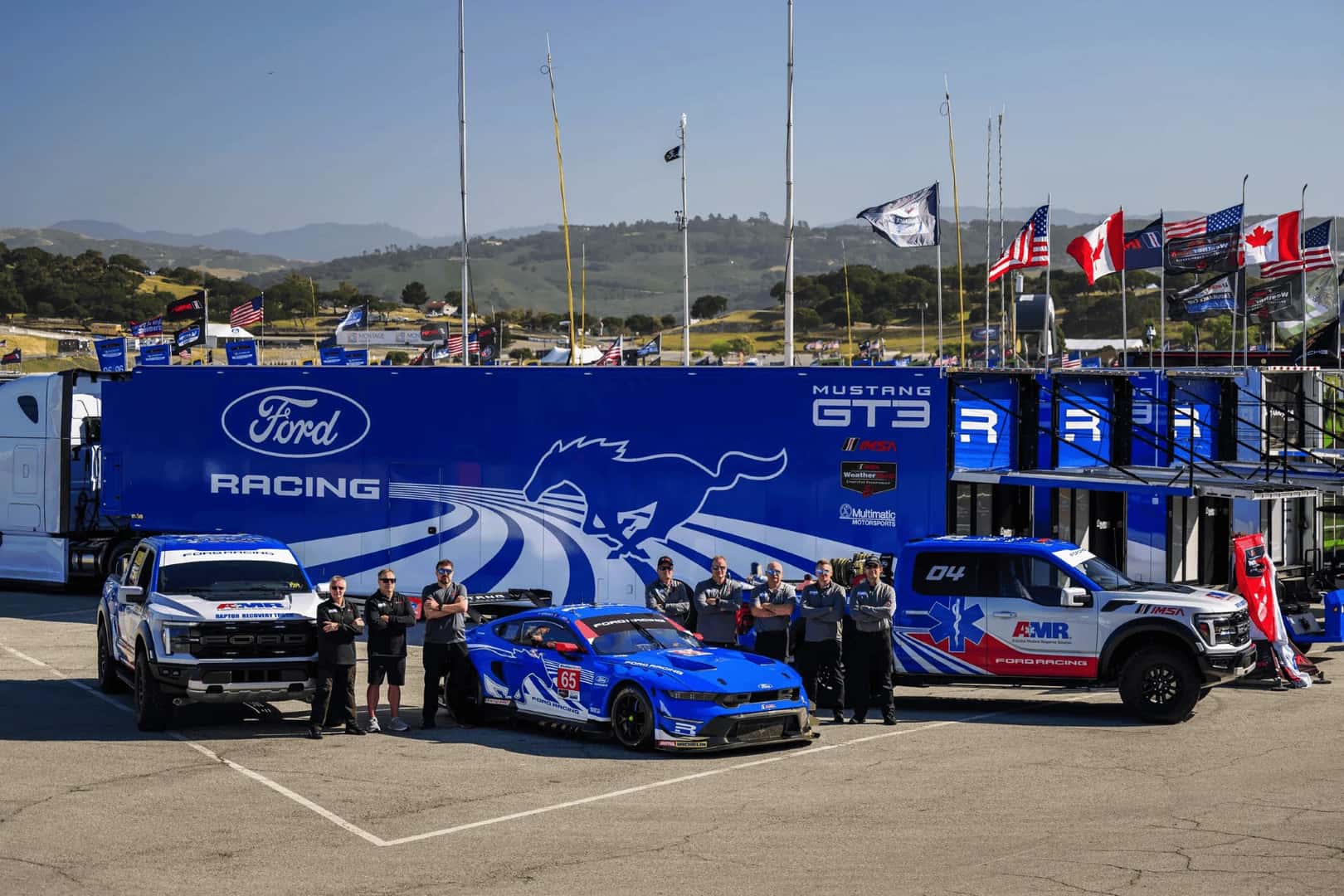
When something goes wrong during an IMSA race, there is little time for hesitation. A crash, fire, or disabled race car can turn competition into an emergency almost instantly, putting the IMSA AMR Rapid Response Team into action. Their job is to reach drivers quickly, handle dangerous conditions, and bring the situation under control.
To do that, the team relies on experienced emergency professionals, specialized rescue equipment, and vehicles capable of handling unpredictable environments. One of those vehicles is the Ford F-150 Raptor.
Most truck owners will never need to race across a circuit to reach an emergency, but the demands placed on the Raptor offer a useful look at what capability means in the real world. The same qualities that help it serve a professional rapid-response team can matter when a truck is used for work, recreation, towing, hauling, or rough terrain.
Capability That Goes Beyond the Spec Sheet
A racetrack is not always smooth asphalt. Emergency responders may need to cross grass, gravel, dirt, uneven ground, or other areas surrounding the racing surface to reach an incident as quickly as possible. That makes the Raptor’s suspension, ground clearance, power, and off-road engineering important tools rather than performance features added simply for entertainment.
For the average truck owner, the circumstances may be less dramatic, but the principle is similar. Construction sites, campsites, hunting trails, rural property, poorly maintained roads, deep snow, and weekend off-road trips can all put a truck outside ideal driving conditions. A vehicle designed to remain composed on difficult terrain gives drivers more flexibility when life takes them beyond the highway.
Learning What the Raptor Can Really Do
Ford Racing gave members of the IMSA AMR Rapid Response Team an opportunity to better understand their trucks through the F-150 Raptor Assault experience in Moab, Utah. There, drivers encountered rocks, steep grades, sand, and uneven surfaces that showed how the Raptor reacts when traction and terrain become challenging. Additional team members received similar instruction at Sebring International Raceway through the Raptor Off-Road Experience.
The training highlights something that also matters for everyday owners: capability is most useful when a driver understands how to use it. The Raptor is engineered to handle demanding conditions, but learning how its suspension, traction systems, driving modes, and chassis behave can make that capability more accessible and confidence-inspiring.
A Truck Built to Carry the Load
The Raptors used by the IMSA team also demonstrate the importance of utility. These are not empty trucks speeding around a racetrack. They carry serious emergency-response equipment.
The tailgates have been removed to provide fast access to gear stored in the bed, including a 30-gallon Enforcer fire-suppression system and heavy-duty Holmatro rescue equipment used to cut or spread damaged metal. That equipment adds considerable weight, yet the truck still needs to accelerate, maneuver over difficult surfaces, and potentially help move disabled race vehicles.
Consumers may be carrying tools, camping gear, supplies, recreational equipment, or materials instead of rescue equipment, but the basic requirement remains the same. A capable pickup needs to remain useful when there is actually something in the bed or attached behind it.
Real-World Confidence
The IMSA AMR Rapid Response Team represents an extreme example of how a Ford F-150 Raptor can be used, but that is exactly what makes the story relevant to everyday buyers.
Truck capability can sometimes feel abstract when measured only through horsepower, suspension travel, or technical specifications. Seeing the Raptor relied upon by professionals in situations where durability, control, strength, and utility all matter gives those capabilities a more practical meaning.
Most owners will never ask their truck to perform trackside emergency duty. They may, however, tow a trailer, haul equipment, travel through bad weather, explore an off-road trail, or simply want confidence that their truck can handle unexpected conditions.
The IMSA response team depends on the Raptor because it can carry equipment, tackle difficult terrain, and stay dependable when conditions change quickly. For the everyday consumer, that same combination translates into something much simpler: a truck built to handle more than the routine.
Stop by Keller Bros Ford Lititz today to explore available inventory, take a test drive, and discover why the Ford F-150 is one of the most reliable trucks on the market.
